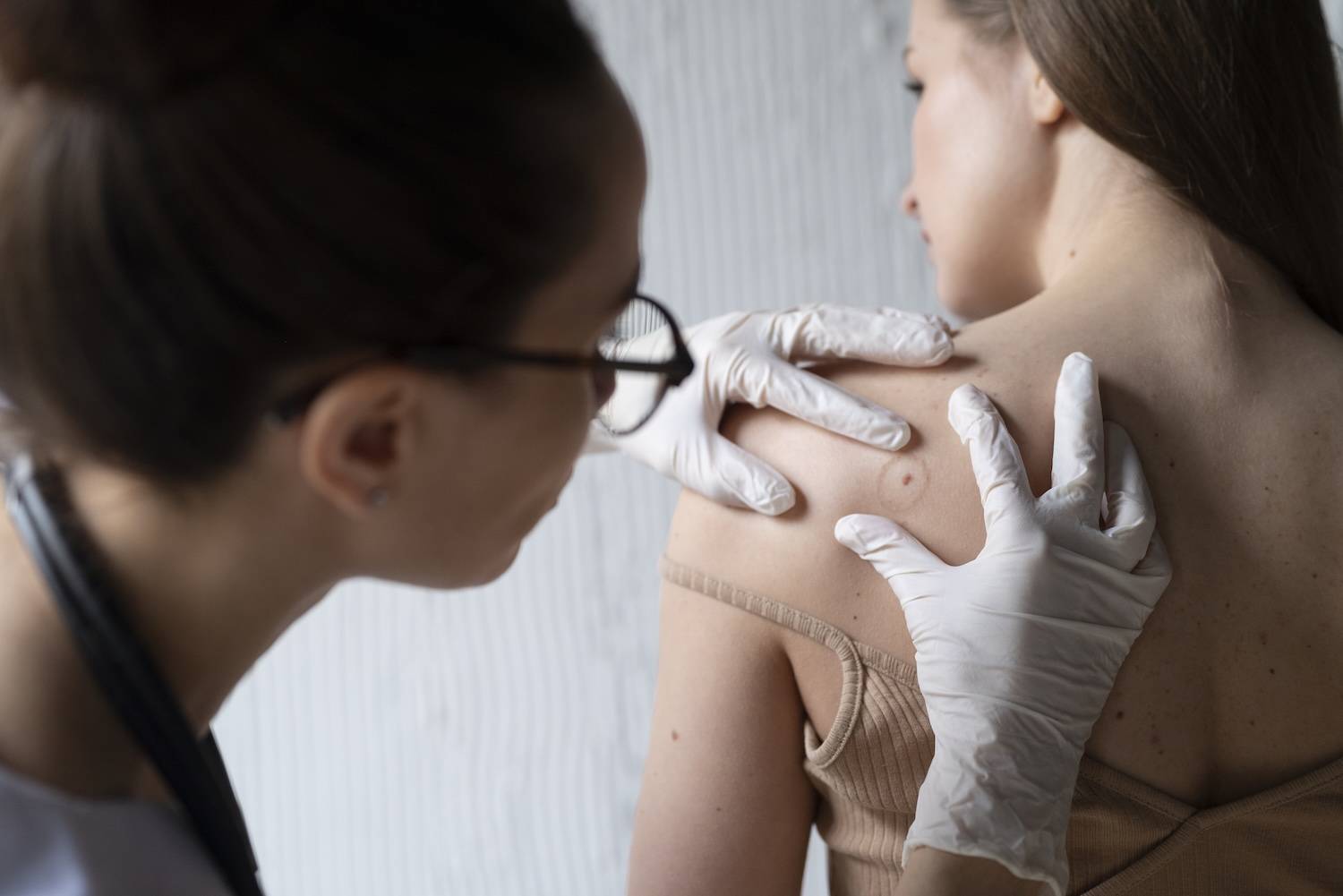



At BritCare Medical Clinic in Mississauga, patients can access primary care and walk-in services for many non-emergency illnesses and injuries. Early medical evaluation can help determine the cause of symptoms and guide appropriate management when needed.
In this article, we'll look at some common minor illnesses and injuries that shouldn't be ignored.
1. Cold or Flu Symptoms That Don't Improve
Most colds and seasonal viral illnesses improve within several days with rest and supportive care. However, if symptoms continue longer than expected or begin to worsen, it may be time to seek medical advice. Consider seeing a healthcare provider if you experience:- A persistent cough
- Ongoing fever
- Increasing sinus pain or pressure
- Difficulty returning to normal daily activities
- Symptoms that improve and then return
2. Sore Throat That Persists
A sore throat is often associated with viral infections, but persistent or worsening symptoms should be evaluated. You should consider a medical assessment if your sore throat is accompanied by:- Difficulty swallowing
- Persistent pain
- Fever
- Swollen glands
- Symptoms lasting several days without improvement
3. Ear Pain or Ear Infections
Ear discomfort can affect both children and adults. Common symptoms include:- Ear pain
- A feeling of pressure
- Reduced hearing
- Fluid drainage from the ear
4. Urinary Tract Infection (UTI) Symptoms
Symptoms that may suggest a urinary tract infection include:- Pain or burning during urination
- Frequent urge to urinate
- Lower abdominal discomfort
- Cloudy or strong-smelling urine
5. Minor Cuts, Scrapes, and Burns
Many small injuries can be treated at home with basic first aid. However, you should seek medical advice if a minor injury:- Continues to bleed
- Shows signs of infection
- Does not appear to be healing
- Causes increasing pain or swelling
6. Sprains and Minor Injuries
Minor sprains and strains often improve with rest and home care. Consider seeing a healthcare provider if:- Pain becomes worse
- Swelling increases
- You have difficulty moving the affected area
- Symptoms do not improve after several days
7. Skin Rashes and Minor Skin Infections
Skin changes can occur for many reasons, including irritation, allergies, or infection. Medical evaluation is recommended if a rash:- Continues to spread
- Becomes painful
- Shows signs of infection
- Does not improve over time
8. Persistent Sinus Congestion
Sinus congestion often improves with time, but ongoing symptoms may require medical evaluation. Seek medical advice if you experience:- Facial pain or pressure
- Persistent nasal congestion
- Symptoms lasting longer than expected
- Worsening discomfort
Tips for Managing Minor Illnesses at Home
While many minor illnesses improve with supportive care, a few simple steps may help you feel more comfortable while recovering:- Stay well hydrated.
- Get plenty of rest.
- Follow medication instructions provided by your healthcare provider.
- Monitor your symptoms for any changes.
- Seek medical advice if symptoms persist, worsen, or new symptoms develop.
When Should You Visit a Walk-In Clinic?
A Walk-In Clinic In Mississauga may provide medical assessment and care for many non-emergency health concerns, including:- Cold and flu symptoms
- Ear infections
- Sore throats
- Urinary symptoms
- Minor cuts and burns
- Sprains and strains
- Mild skin concerns
When Should You Contact Your Family Doctor?
A Family Doctor In Mississauga is often the best choice for:- Ongoing symptoms
- Preventive healthcare
- Chronic disease management
- Follow-up appointments
- Routine health concerns
When Is Emergency Care Necessary?
While many minor illnesses can be managed outside the emergency department, you should seek immediate medical attention for symptoms such as:- Chest pain
- Difficulty breathing
- Severe allergic reactions
- Heavy bleeding
- Loss of consciousness
- Severe injuries
Knowing When to Seek Medical Care
Minor illnesses and injuries are common, but they should not be ignored if symptoms persist, worsen, or begin to interfere with your daily life. Seeking medical advice at the right time can help you receive appropriate medical assessment and care while supporting your recovery.Whether you visit a walk-in clinic in Mississauga for prompt assessment or consult a family doctor in Mississauga for ongoing healthcare needs, early evaluation can help you make informed decisions about your health. At BritCare Medical Clinic in Mississauga, patients can access walk-in and primary care services for many Non-Emergency Illnesses And Injuries, with care tailored to their individual healthcare needs.