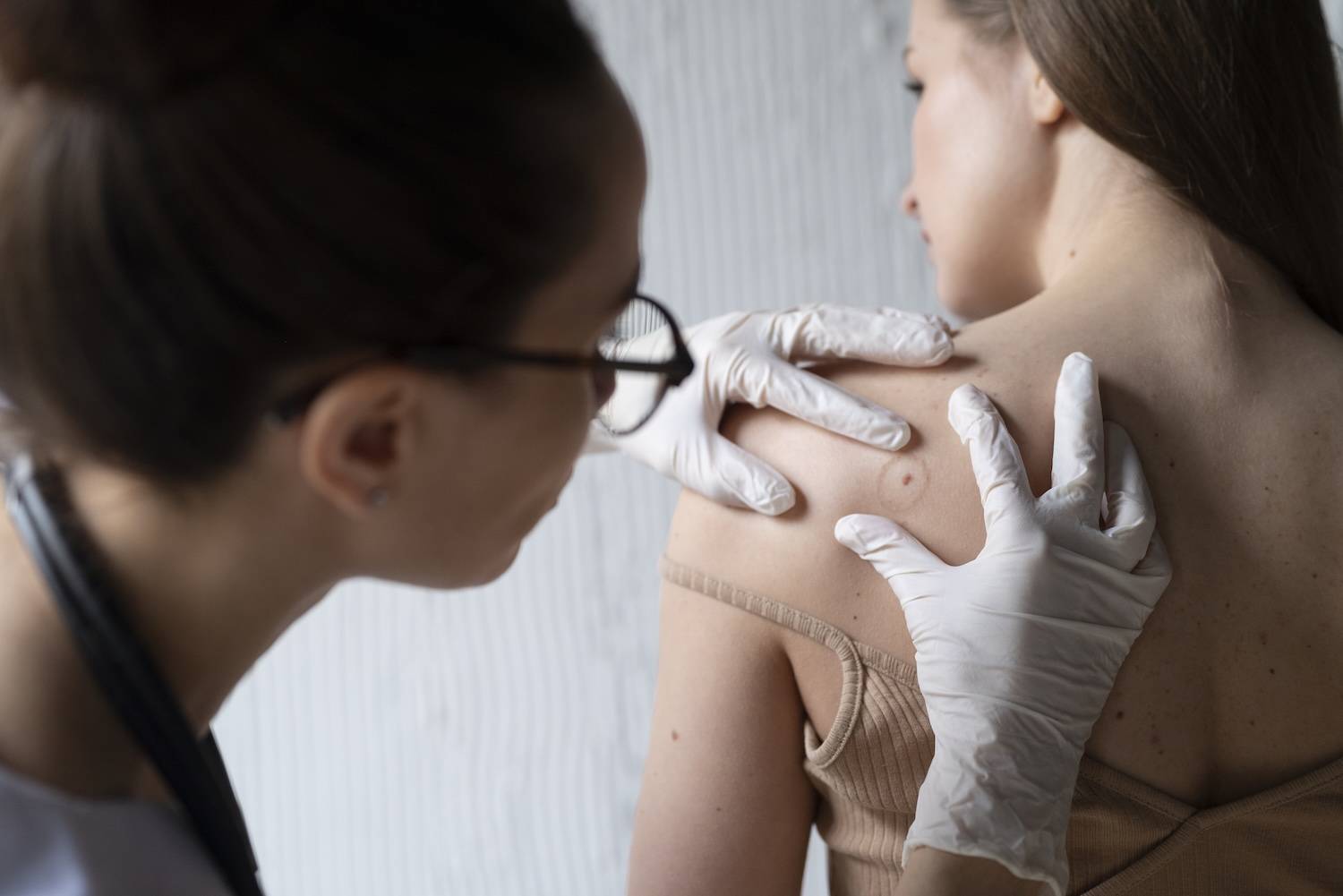



At BritCare Medical Clinic in Mississauga, family physicians assess many non-emergency health concerns and recommend appropriate management or referral when necessary. Depending on your condition, care may be provided in the clinic or you may be referred for additional medical evaluation.
If you have a minor health concern, a family doctor in Mississauga or a walk-in clinic in Mississauga may be able to assess your symptoms and recommend the most appropriate next steps.
What Are Minor Medical Concerns?
Many non-emergency health concerns can be assessed in an outpatient clinic without requiring hospitalization. These concerns are generally:- Non-life-threatening
- Appropriate for assessment in a primary care setting
- Managed with minimal recovery time when treatment is appropriate
- Evaluated based on your symptoms, medical history, and healthcare provider's assessment
Minor Cuts and Lacerations
Small cuts and lacerations are among the most common reasons people seek medical care. A healthcare provider can assess whether the injury may require:- Cleaning the wound
- Dressing or bandaging
- Wound closure, when appropriate
- Home care instructions
- Follow-up care when needed
When Should a Wart Be Evaluated?
Warts are common skin growths caused by certain strains of the human papillomavirus (HPV). Although many warts are harmless, medical evaluation may be appropriate if they:- Cause discomfort
- Continue to spread
- Interfere with daily activities
- Become irritated
When Should a Skin Tag Be Evaluated?
Skin tags are small, non-cancerous growths that commonly develop where skin rubs together. Medical evaluation may be appropriate if a skin tag:- Frequently becomes irritated
- Gets caught on clothing or jewelry
- Bleeds after repeated friction
- Causes discomfort
When Should a Cyst Be Evaluated?
Many cysts are harmless and may not require treatment. However, medical assessment is recommended if a cyst:- Becomes painful
- Continues to grow
- Appears infected
- Returns repeatedly
- Interferes with daily activities
Wound Care and Follow-Up
Proper wound care plays an important role in healing. Primary care clinics may provide:- Wound assessment
- Dressing changes
- Monitoring for signs of infection
- Follow-up care recommendations
When to Seek Medical Care for Splinters or Foreign Objects
Splinters and other small foreign objects can sometimes become lodged beneath the skin. If they cannot be removed safely at home or the area becomes painful, swollen, or shows signs of infection, a healthcare provider can assess the area and recommend the most appropriate management.When Should Ear Wax Be Evaluated?
Excess ear wax may sometimes cause:- Reduced hearing
- Ear discomfort
- A feeling of fullness
- Ringing in the ears
Nail and Minor Skin Concerns
Primary care clinics can assess many non-emergency nail and skin concerns, including:- Mild ingrown toenails
- Minor skin irritations
- Small superficial skin infections
- Other non-emergency skin conditions
Benefits of Visiting a Local Clinic
For many non-emergency health concerns, receiving care at a local clinic offers several advantages. These may include:- Convenient access to healthcare
- Reduced wait times compared with many emergency departments
- Continuity of care
- Follow-up with your regular healthcare provider
- Care provided in a familiar community setting
When Should You Visit a Hospital Instead?
While many non-emergency concerns can be assessed in a clinic, some situations require emergency medical care. Seek immediate medical attention if you experience:- Heavy or uncontrolled bleeding
- Deep or large wounds
- Severe burns
- Serious injuries
- Difficulty breathing
- Chest pain
- Loss of consciousness
How Your Family Doctor Can Help
A family doctor in Mississauga can assess many common health concerns and determine the most appropriate management plan or whether referral to another healthcare provider is necessary. Regular visits also allow your family doctor to:- Monitor your overall health
- Provide preventive healthcare
- Manage ongoing health conditions
- Coordinate referrals when appropriate
When to Visit a Walk-In Clinic
A walk-in clinic in Mississauga may provide prompt medical assessment and care for many non-emergency concerns when your regular healthcare provider is unavailable. Common reasons to visit include:-
- Minor cuts
- Warts
- Skin tags
- Cysts
- Minor skin infections
- Splinters
- Ear discomfort
- Other common non-emergency health concerns
When to Contact Your Clinic
Contact your healthcare provider if:- Symptoms are getting worse.
- Home care is not helping.
- You notice signs of infection.
- Pain is increasing.
- You are unsure whether medical assessment is needed.
Choosing the Right Place for Non-Emergency Care
Many common health concerns can be safely assessed without visiting a hospital. Primary care clinics and walk-in clinics provide convenient access to medical assessment for a variety of non-emergency conditions while helping ensure emergency departments remain available for serious medical situations.If you have a minor health concern, a family doctor in Mississauga or a walk-in clinic in Mississauga can assess your symptoms, recommend appropriate management or referral when necessary, and help you decide whether additional care is required.
At BritCare Medical Clinic in Mississauga, patients can access primary care and walk-in services for many non-emergency health concerns, with care tailored to their individual healthcare needs.