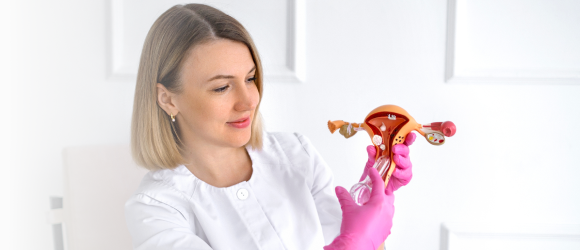
Concerned about a Pap smear might hurt? You're not alone - that matters. For an easy
Pap Testing Mississauga visit Britcare Medical Clinic Today.
How Long Does a Pap Smear Test Take?
A Pap smear test is one of the quickest medical procedures. The total procedure usually takes around five minutes. Your doctor or nurse will tell you when your results will be available. Usually, it takes a couple of weeks to process your specimen.
A letter will be sent with your results, or you will be asked to call your doctor to obtain your results by phone.
Do Pap Smear Tests Hurt?
Although Pap smear tests are uncomfortable for most women, some may experience a little discomfort and pain during it. However, the discomfort or pain you're experiencing should go away just after the test, and the pain you do feel will only last a couple of minutes.
Some people also feel a bit self-conscious about attending a smear test, but please remember that the doctor/nurse undertaking the test is a medical professional and not only have they done this hundreds of times, but most likely, thousands.
What Occurs at a Standard Pap Smear Exam?
When you arrive for your appointment at
Britcare Medical Clinic, a staff member will ask if this is your first time having the Pap examination. If it is your first time, they will explain what is going to happen at each stage of the exam and allow you to ask questions.
You will be given a chance to get undressed from the waist down, and they will prepare a gown or place a paper drape over you. When you are ready, lie back on the exam table and put your feet in stirrups to start the exam.
They will take a sample from your cervix using a speculum. If you feel any pain, ask for extra lubricant.
Then, once the speculum is placed, a brush will quickly collect cells from your cervix. You may feel a cramp or slight pressure, similar to the feeling of starting your period.
This will take less than one minute to get the cellular collection, and your full exam will take less than a total of five minutes. For Pap Examination, contact Britcare Medical Clinic today.
Do Certain Women Experience More Discomfort from a Pap Smear?
Most women find Pap examination to be uncomfortable, but under some circumstances can increase sensitivity.
For example, women who are postmenopausal, inexperienced, or are patients post-baby may find the Pap examination a bit more uncomfortable.
Any woman with vaginismus, endometriosis, or dryness, etc., may find herself more tense or irritated during the exam.
Furthermore, emotional tense states also tighten pelvic muscles, such as anxiety, previous trauma, and embarrassment.
If any of these things speak to you, don't worry, your provider will gladly accommodate you. At The Woman's Clinic, all patients are encouraged to openly and honestly communicate any comfort needs during our appointment, without judgment.
Does a Pap Smear Hurt More If You Haven’t Had Sex?
If you are curious if Pap smears could be more painful if you have never had penetrative sex, you are probably not alone in this, whether you are sexually inactive or a virgin.
A smaller speculum can be provided, and the pap examination done more carefully to eliminate discomfort.
Often, feelings are expressed due to unfamiliar feelings, not necessarily because it is painful.
Suggestions to Consider to Make it Easier and Less Painful
- Request a smaller speculum or one made from plastic
- Ask for extra lubricant
- Take an ibuprofen about an hour before your appointment (premedicated by your doctor)
- Practice deep breathing and efforts to relax your abdominal muscles
- Schedule your Pap smear at a time that is not during your period
- Let your provider know if you are a virgin or have had painful experiences before
These small changes can have a big impact.
Providers at The Britcare Medical Clinic try to work in partnership with all patients to provide comfort and dignity at all visits.
Does a Pap Smear Test Hurt?
Most of the time, Pap examination does not cause any pain, but doctors say that very rarely do patients complain of pain.
The discomfort or pain would normally be felt during the test and would soon fade away once the test has been completed, thus lasting only a few minutes.
A test like this might cause some embarrassment, but it is the nurse's or doctor's technical skill and professionalism that assures you that the process has been done properly and safely hundreds or even thousands of times.
The medical conditions vulvodynia, for instance, or endometriosis, or menopause with vaginal dryness, can make a person feel pain during a smear test.
It is also possible that the trauma from sexual assault or an unpleasant past medical procedure makes the smear test difficult for you. Tell the nurse or doctor if you have experienced any such thing so that they can take the necessary steps to help you relax.
Also, do not forget that the only reliable way to keep cervical cancer away is to go for your smear tests when you’re invited and that pain during the test will be nothing compared to the time you are actually going to take to be cancer-free!
In the case of women who experience discomfort or pain during smear tests, Britcare Medical Clinic’s Cervical Cancer Screening Test is a great alternative. The reliable and easy-to-use at-home kit doesn’t require an internal examination — only a swab from inside.
How Often Should You Get a Pap Smear?
According to healthcare professionals and the Britcare Medical Clinic, you should start getting screened at age 21, regardless of whether you have been sexually active.
From ages 21 to 29, this test is regulary performed every three years.
From ages 30 to 65, you can continue screening every three years or switch to the Pap and HPV co-test every five years.
If you have a hysterectomy that removed your cervix or are over 65 with a history of normal results, your physician may recommend discontinuation of the testing.
However, if specific health circumstances indicate otherwise, you may have a different recommendation from your health provider.
Always consult the Britcare Medical Clinic health care provider.