

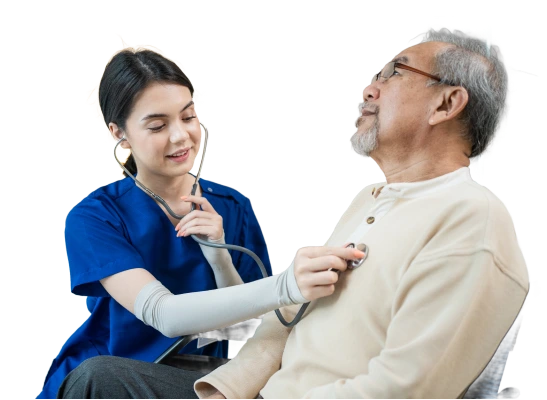
At BritCare Medical Clinic in Mississauga, family physicians provide preventive healthcare, routine wellness visits, chronic disease management, and ongoing primary care to help older adults maintain their health and independence.
Ongoing primary healthcare focuses on preventive care, routine monitoring, and ongoing support based on your individual healthcare needs throughout the aging process. A family doctor in Mississauga can help seniors stay proactive about their health, coordinate medical care, and address concerns before they become more serious.
In this article, we'll explore how ongoing primary healthcare supports healthy aging and why it is an important part of senior wellness.
What Is Ongoing Primary Healthcare?
Primary healthcare refers to the routine medical care provided by a healthcare professional who becomes your main point of contact for health-related concerns. This may include services such as:- Annual wellness visits
- Preventive healthcare
- Chronic disease management
- Health screenings
- Vaccinations
- Referrals when appropriate
Supporting Preventive Healthcare
Preventive care is one of the greatest benefits of ongoing primary healthcare. Routine appointments allow healthcare providers to:- Monitor overall health
- Identify potential health concerns earlier
- Recommend age-appropriate screenings
- Review lifestyle habits
- Update preventive care plans
Helping Manage Chronic Health Conditions
Many older adults live with one or more ongoing health conditions. These may include:- High blood pressure
- Diabetes
- Heart disease
- Arthritis
- High cholesterol
Encouraging Regular Health Screenings
Routine screenings become increasingly important with age. Depending on your health history and individual healthcare needs, your healthcare provider may recommend screenings related to:- Blood pressure
- Cholesterol
- Diabetes
- Vision
- Hearing
- Bone health
- Age-appropriate cancer screenings
Keeping Medications Organized
Many seniors take multiple prescription medications. During routine appointments, your healthcare provider can:- Review current medications
- Discuss possible side effects
- Answer medication-related questions
- Ensure management plans remain appropriate based on your healthcare needs
Building an Ongoing Relationship with Your Healthcare Provider
Seeing the same healthcare provider over time allows them to develop a better understanding of your overall health. They become familiar with your:- Medical history
- Family history
- Current medications
- Previous healthcare experiences
- Individual healthcare needs
Coordinating Specialist Referrals
Some health concerns require care from medical specialists. Your family doctor can help:- Determine when a referral is appropriate
- Coordinate communication between healthcare providers
- Review specialist recommendations
- Continue monitoring your overall health
Supporting Healthy Aging
Healthy aging involves more than treating illness. Primary healthcare providers often discuss:- Nutrition
- Physical activity
- Sleep habits
- Fall prevention
- Vaccinations
- Healthy lifestyle choices
Providing Prompt Attention to New Health Concerns
Regular primary healthcare visits make it easier to address new symptoms before they become more serious. You should contact your healthcare provider if you experience:- Persistent fatigue
- Unexplained weight changes
- Ongoing pain
- Changes in balance
- Memory concerns
- New or worsening symptoms
Reducing Reliance on Emergency Care
Ongoing primary healthcare helps seniors address many health concerns before they require emergency treatment. Routine monitoring and preventive care may help reduce unnecessary emergency department visits by supporting:- Early identification of health concerns
- Ongoing management of chronic conditions
- Follow-up care when appropriate
- Access to routine medical advice
Healthy Aging Tips for Seniors
Along with regular medical care, seniors can support their health by:- Staying physically active
- Eating a balanced diet
- Drinking enough water
- Getting adequate sleep
- Staying socially connected
- Taking medications as directed
- Attending routine healthcare appointments
Questions to Ask During Your Next Appointment
Consider asking your healthcare provider:- Are my recommended health screenings up to date?
- Should any of my medications be reviewed?
- Are there lifestyle changes that may benefit my health?
- Do I need any recommended vaccinations?
- Are there symptoms I should continue to monitor?
Senior Healthcare Checklist
To stay proactive about your health, consider the following:- ✔ Schedule regular wellness visits.
- ✔ Stay up to date with recommended screenings.
- ✔ Review medications during routine appointments.
- ✔ Keep vaccinations current.
- ✔ Report new or persistent symptoms promptly.
- ✔ Follow recommendations for managing ongoing health conditions.
- ✔ Maintain healthy lifestyle habits.
- ✔ Keep regular appointments with your family doctor.
Supporting Healthy Aging Through Ongoing Primary Care
Ongoing primary healthcare plays an important role in helping seniors maintain their health, independence, and overall well-being. Through preventive care, regular screenings, chronic disease management, and routine medical assessments, older adults can take a proactive approach to their health as they age.Whether you're establishing ongoing care with a family doctor in Mississauga or need prompt medical assessment and care for a non-emergency concern at a walk-in clinic in Mississauga, staying connected to primary healthcare services can help support healthy aging and long-term wellness.
At BritCare Medical Clinic in Mississauga, family physicians provide preventive healthcare, routine wellness visits, chronic disease management, and ongoing primary care tailored to each patient's individual healthcare needs.