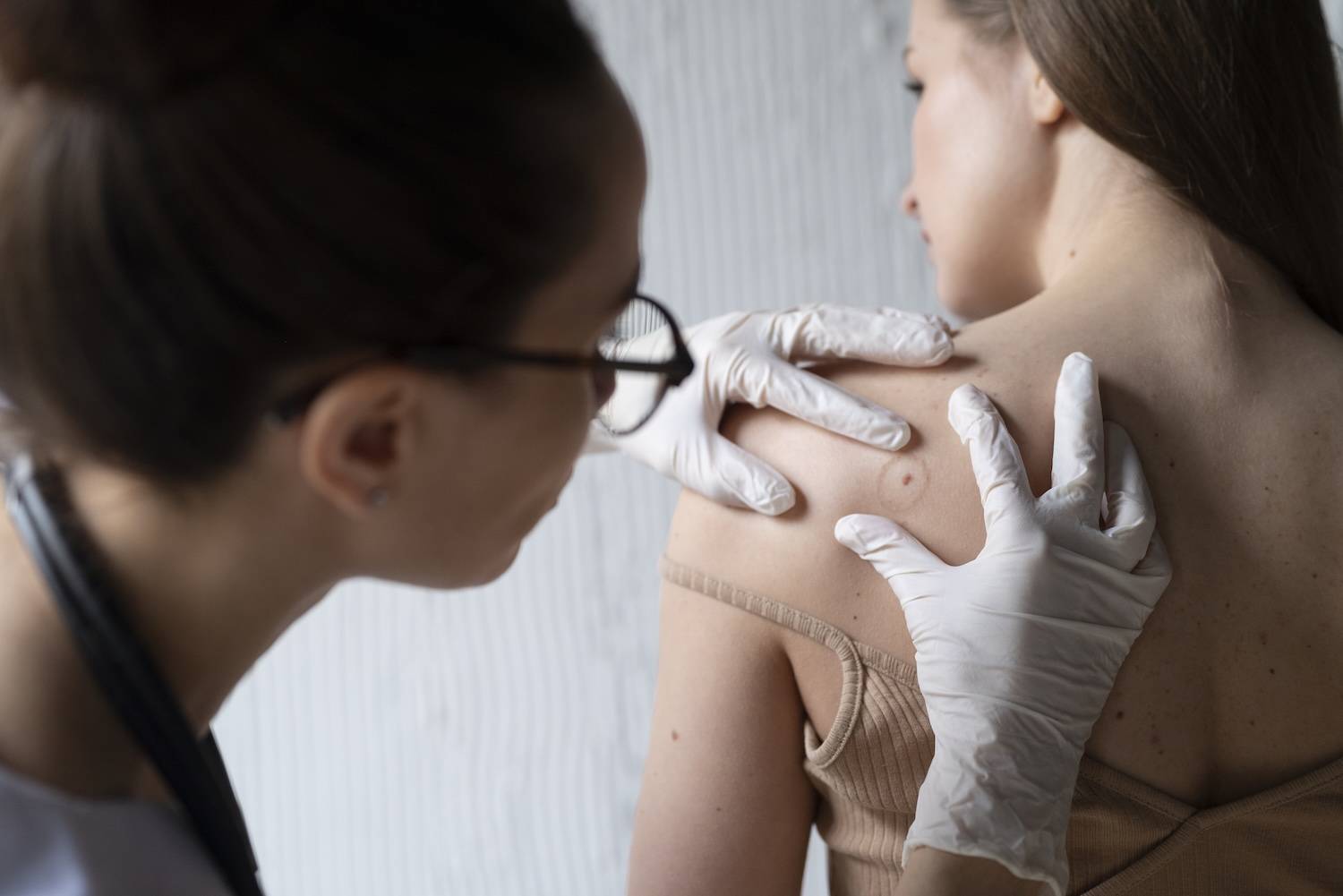


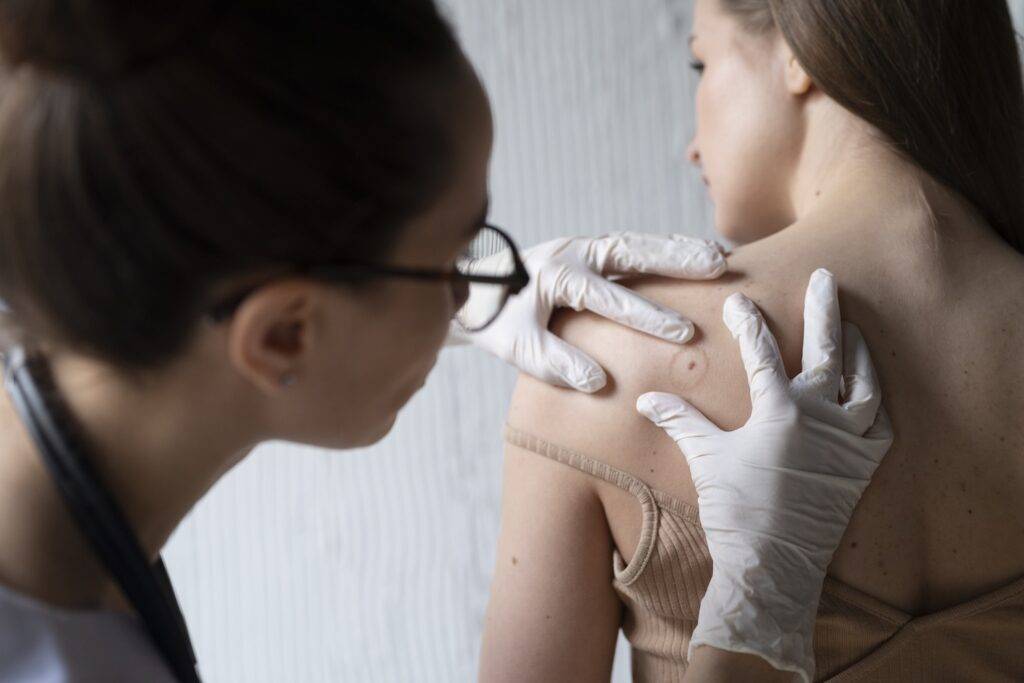
At BritCare Medical Clinic in Mississauga, family physicians assess common skin concerns, provide preventive healthcare, and recommend appropriate management or referral when necessary.
Knowing what to watch for doesn't mean assuming the worst. Instead, it means paying attention to your skin and seeking medical advice when something doesn't seem right. A family doctor in Mississauga can assess many common skin concerns and recommend appropriate next steps. For non-emergency concerns that require prompt assessment, a walk-in clinic in Mississauga may also provide initial medical evaluation.
This guide outlines common skin changes that should not be ignored and when it may be appropriate to schedule a medical assessment.
Why Paying Attention to Skin Changes Matters
Many skin conditions are minor and temporary. However, some changes may require medical evaluation to help determine their cause. Regularly checking your skin can help you notice:- New growths
- Changes in existing moles
- Persistent rashes
- Unusual lumps or bumps
- Sores that do not heal
New or Changing Moles
Most moles are harmless, but it's important to pay attention if one changes over time. Consider scheduling a medical evaluation if you notice a mole that:- Changes in size
- Changes in shape
- Changes in colour
- Develops uneven borders
- Looks noticeably different from your other moles
A Sore That Doesn't Heal
Minor cuts and scrapes usually heal within a reasonable period. If you have a sore that:- Does not heal
- Continues to bleed
- Keeps returning
- Becomes increasingly painful
New Lumps or Bumps
Not every lump under the skin is a cause for concern. Common causes include:- Cysts
- Lipomas (fatty lumps)
- Skin tags
- Swollen glands
- Continues to grow
- Becomes painful
- Feels unusually firm
- Changes rapidly
- Interferes with normal daily activities
Persistent Rashes
Skin rashes can develop for many reasons, including irritation, allergies, infections, or chronic skin conditions. Arrange a medical assessment if a rash:- Lasts longer than expected
- Continues to spread
- Causes significant discomfort
- Shows signs of infection
- Does not improve with basic skin care
Changes in Warts, Skin Tags, or Cysts
Warts, skin tags, and cysts are common skin growths that are often harmless. However, they should be evaluated if they:- Grow quickly
- Become painful
- Bleed repeatedly
- Become infected
- Interfere with daily activities
Signs of a Possible Skin Infection
Some skin changes may indicate an infection that requires medical attention. Watch for symptoms such as:- Increasing redness
- Swelling
- Warmth around the area
- Pus or drainage
- Pain that continues to worsen
Changes to Nails
Your nails can also reflect changes in your overall health. You should discuss nail concerns with your healthcare provider if you notice:- Persistent discoloration
- Thickening
- Separation from the nail bed
- Swelling around the nail
- Ongoing pain
Itching That Doesn't Go Away
Occasional itching is common, but ongoing or severe itching should not be ignored. If itching:- Persists for several weeks
- Interferes with sleep
- Is accompanied by a rash
- Does not improve with basic skin care
Tips for Checking Your Skin at Home
Regular self-checks can help you notice changes that may require medical attention. Consider these simple habits:- Check your skin once a month in good lighting.
- Look for new spots, growths, or changes in existing moles.
- Ask a family member to help check hard-to-see areas, such as your back.
- Monitor any persistent irritation or sores that do not heal.
- Schedule a medical evaluation if you notice concerning changes.
When to Visit a Walk-In Clinic
A walk-in clinic in Mississauga may provide initial medical assessment for many non-emergency skin concerns, including:- Rashes
- Minor skin infections
- Warts
- Skin tags
- Cysts
- Minor allergic skin reactions
- New skin growths that require evaluation
The Benefits of Having a Family Doctor
A family doctor in Mississauga plays an important role in monitoring your overall health, including changes to your skin. Regular primary care provides:- Continuity of care
- Monitoring of recurring skin conditions
- Preventive healthcare
- Referrals when appropriate
- Follow-up care when appropriate
When Emergency Care Is Needed
Most skin concerns are not medical emergencies. However, seek immediate medical attention if you experience:- A severe allergic reaction with difficulty breathing
- Rapidly spreading swelling involving the face or throat
- Extensive burns
- Serious injuries involving the skin
- Signs of a severe infection accompanied by high fever or rapidly worsening symptoms
Knowing When to Seek Medical Advice
Most skin changes are harmless, but it's important to pay attention to new, persistent, or changing symptoms. Early medical evaluation can help identify the cause of a skin concern and determine the most appropriate next steps. Most skin changes are harmlessWhether you're seeing a family doctor in Mississauga for routine preventive care or visiting a walk-in clinic in Mississauga for a non-emergency skin concern, seeking timely medical advice can help you make informed decisions about your health.
At BritCare Medical Clinic in Mississauga, family physicians assess common skin concerns, provide preventive healthcare, and recommend appropriate management or referral when necessary. Patients can also access walk-in and primary care services for many non-emergency skin concerns based on their individual healthcare needs.